
Introduction
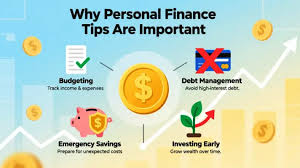
Managing money can feel confusing at first. Many people struggle with saving, budgeting, or even tracking where their money goes. The good news is that personal finance is a skill anyone can learn.
You don’t need to be rich or an expert to manage your money well. With the right habits and simple strategies, you can take control of your finances and build a secure future.
In this guide, you’ll learn how to manage personal finances like a pro, even if you’re just starting. These tips are easy to follow, practical, and designed to help you make smarter money decisions every day.
Why Personal Finance Matters
Before jumping into tips, it’s important to understand why managing money is so important.
Key Benefits:
- Reduces financial stress
- Helps you save for future goals
- Prevents unnecessary debt
- Builds long-term financial security
Think of your money like a tool. If you use it wisely, it can help you live a better and more stable life.
1. Understand Your Income and Expenses
The first step to managing money is knowing how much you earn and how much you spend.
What You Should Do:
- List all your income sources
- Track your daily expenses
- Identify where your money goes
Simple Example:
If you earn $1000 per month but spend $1100, you are losing money. Tracking helps you fix this problem.
Pro Tip:
Use a notebook or a simple budgeting app to record everything.
2. Create a Simple Budget
A budget is a plan for your money. It tells you where your money should go instead of wondering where it went.
Easy Budget Rule (50/30/20):
- 50% for needs (rent, food, bills)
- 30% for wants (entertainment, shopping)
- 20% for savings
Why Budgeting Works:
- Keeps your spending under control
- Helps you save regularly
- Prevents overspending
Start simple. You can adjust your budget as your income changes.
3. Build an Emergency Fund
Life is unpredictable. Unexpected expenses like medical bills or repairs can happen anytime.
What Is an Emergency Fund?
Money saved only for emergencies.
Goal:
- Start with saving $500–$1000
- Gradually build up to 3–6 months of expenses
Why It’s Important:
- Prevents borrowing money
- Reduces financial stress
- Keeps you prepared for emergencies
Even saving a small amount every month makes a big difference.
4. Avoid Unnecessary Debt
Debt can quickly become a problem if not managed properly.
Common Mistakes:
- Using credit cards without planning
- Borrowing for non-essential items
- Ignoring repayment schedules
Smart Tips:
- Only borrow what you can repay
- Pay bills on time
- Avoid high-interest loans
Debt is not always bad, but uncontrolled debt can hurt your financial future.
5. Start Saving Early
The earlier you start saving, the better.
Why Early Saving Matters:
- Money grows over time
- You build strong financial habits
- You are prepared for future goals
Example:
Saving $50 monthly for years can turn into a large amount.
Simple Saving Tips:
- Save a fixed amount every month
- Treat savings like a bill
- Avoid spending leftover money impulsively
6. Learn Basic Investing
Saving is important, but investing helps your money grow faster.
Beginner-Friendly Investment Options:
- Savings accounts
- Index funds
- Retirement accounts
Why Invest?
- Protects money from inflation
- Builds long-term wealth
- Helps achieve financial goals
Important Rule:
Start small and learn before investing large amounts.
7. Set Clear Financial Goals
Having goals gives direction to your money.
Types of Goals:
- Short-term (buying a phone, travel)
- Medium-term (education, car)
- Long-term (house, retirement)
How to Set Goals:
- Be specific
- Set a time limit
- Track your progress
Example:
Instead of saying “I want to save money,” say “I will save $1000 in 6 months.”
8. Track Your Spending Habit
Many people lose money because they don’t track small expenses.
Common Spending Leaks:
- Daily snacks
- Subscriptions
- Impulse shopping
Solution:
- Review your expenses weekly
- Cut unnecessary costs
- Focus on essential spending
Small savings can lead to big results over time.
9. Increase Your Financial Knowledge
Financial education is key to success.
How to Learn:
- Read finance blogs
- Watch educational videos
- Follow trusted financial advice
Topics to Focus On:
- Budgeting
- Saving
- Investing
- Debt management
The more you learn, the better decisions you will make.
10. Stay Consistent and Patient
Managing finances is not a one-time task. It requires consistency.
Key Habits:
- Stick to your budget
- Save regularly
- Review your finances monthly
Remember:
- Wealth takes time to build
- Small steps lead to big results
- Consistency is more important than perfection
Common Beginner Mistakes to Avoid
Here are some mistakes you should avoid:
- Not tracking expenses
- Spending more than you earn
- Ignoring savings
- Taking unnecessary loans
- Not planning for emergencies
Avoiding these mistakes can save you from financial trouble.
Conclusion
Managing personal finances doesn’t have to be complicated. With simple steps like budgeting, saving, and tracking your expenses, you can take control of your money.
Start small, stay consistent, and keep learning. Over time, these habits will help you build a strong financial foundation.
Remember, it’s not about how much money you have—it’s about how well you manage it. By following these simple personal finance tips, you can move closer to financial stability and a better future.
FAQs
1. What is the best way to start managing money?
Start by tracking your income and expenses. Then create a simple budget.
2. How much should I save each month?
Try to save at least 20% of your income, but start small if needed.
3. Is budgeting really necessary?
Yes, budgeting helps control spending and ensures you save regularly.
4. When should I start investing?
Start investing once you have basic savings and understand the basics.
5. Can I manage finances without a high income?
Yes, good money management is about habits, not income level.